Is House Paint Dangerous for Your Health? Here’s What You Need to Know
Here’s What You Need to Know about House Paint. Is it Dangerous for Your Health?
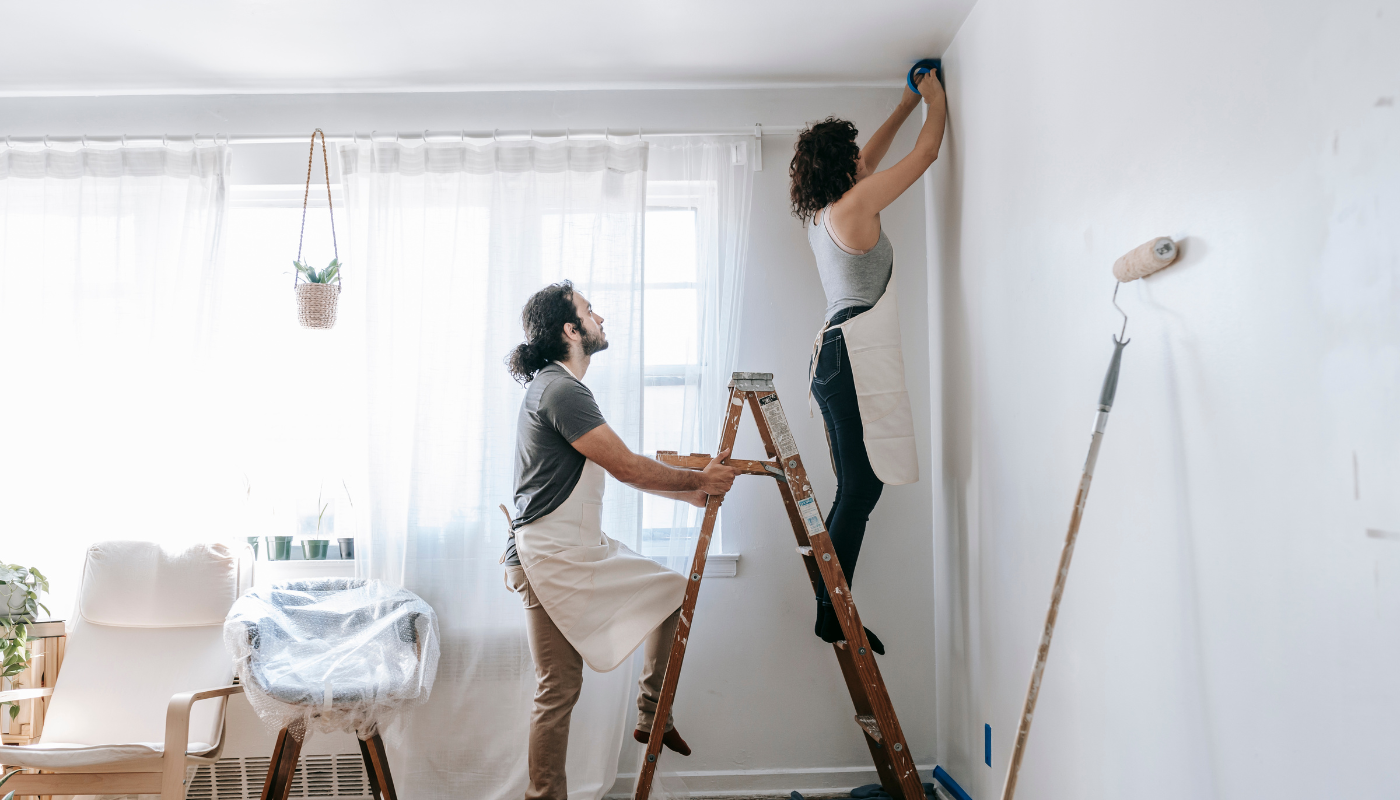
When it comes to giving your home a fresh new look, painting is often the first thing that comes to mind.
A fresh coat of paint can transform any space, making it feel clean, updated, and more personalized.
But while painting can be an exciting and satisfying home improvement project, it’s essential to consider whether house paint could pose any health risks.
So, is house paint dangerous for your health?
The short answer is: it can be, but with the right precautions, you can significantly reduce any potential risks.
In this guide, we’ll explore the possible dangers associated with house paint, how it can impact your health, and what you can do to ensure a safe painting experience.
Understanding the Risks:
What Makes House Paint Potentially Harmful?
Most modern house paints are designed to be safe when used correctly.
However, some paints contain chemicals that can be hazardous to human health, particularly when inhaled or absorbed through the skin.
The primary concern with house paint is the presence of volatile organic compounds (VOCs).
What Are VOCs?
VOCs are a group of chemicals that evaporate at room temperature, releasing fumes into the air.
These compounds are commonly found in many household products, including paints, adhesives, and cleaning supplies. As paint dries, VOCs are released into the air, a process known as off-gassing.
The level of VOCs in paint varies depending on the type of paint you choose.
Traditional oil-based paints tend to have higher VOC levels, while modern water-based or low-VOC paints have significantly reduced emissions.
Short-Term Health Effects of Paint Fumes
If you've ever felt lightheaded or had a headache after painting a room, you've likely experienced the short-term effects of VOC exposure.
Some of the most common immediate symptoms include:
- Eye, nose, and throat irritation – You may feel a burning sensation or discomfort when exposed to fresh paint fumes.
- Dizziness or headaches – VOCs can trigger mild to severe headaches, depending on the level of exposure.
- Nausea and breathing difficulties – Some people experience nausea, coughing, or shortness of breath when exposed to paint fumes in an unventilated space.
These symptoms typically subside once the exposure ends or the area is well-ventilated.
However, people with respiratory conditions, such as asthma, may experience more severe reactions.
Long-Term Health Risks of Prolonged Exposure
While occasional exposure to paint fumes is unlikely to cause long-term damage, prolonged or repeated exposure to high levels of VOCs can have more serious health consequences.
Some potential long-term effects include:
Central Nervous System Damage
Long-term exposure to high levels of VOCs has been linked to dizziness, fatigue, memory impairment, and coordination issues. In severe cases, repeated exposure to toxic paint chemicals can contribute to neurological damage.
Liver and Kidney Damage
Certain chemicals found in paint have been associated with damage to the liver and kidneys. This is more common in people who frequently work with paints, such as professional painters, without proper protective measures.
Potential Carcinogenic Effects
Some studies suggest that chronic exposure to certain VOCs found in paint may increase the risk of developing certain cancers. While modern paint formulations have removed many of the most harmful ingredients, some older paints and industrial coatings still contain potentially carcinogenic substances.
Who Is Most at Risk from Paint Fumes?
While most people can tolerate occasional exposure to paint fumes, some individuals are more vulnerable to their effects.
If you fall into one of these categories, it’s especially important to take precautions:
- Pregnant Women – Exposure to high levels of paint fumes during pregnancy may pose risks to the developing baby. Pregnant individuals should avoid painting or use only low-VOC, water-based paints in well-ventilated areas.
- Children and Infants – Young children have developing respiratory systems that are more sensitive to chemicals in paint. If painting is necessary, ensure they are not in the area until the fumes have dissipated.
- Elderly Individuals – Older adults with pre-existing respiratory or cardiovascular conditions may be more susceptible to the effects of paint fumes.
- People with Allergies or Asthma – Individuals with respiratory conditions, chemical sensitivities, or allergies may experience worsened symptoms due to paint fumes.
How to Minimize Health Risks When Painting
The good news is that you don’t have to avoid painting your home altogether.
By taking the right precautions, you can significantly reduce your exposure to harmful fumes and ensure a safer painting experience.
1. Choose Low-VOC or No-VOC Paints
One of the best ways to minimize health risks is to opt for low-VOC or no-VOC paints. These eco-friendly options contain fewer harmful chemicals and release fewer fumes, making them safer for both your health and the environment.
2. Ensure Proper Ventilation
Before you start painting, open windows and doors to allow fresh air to circulate. Use fans to direct fumes outside, and if possible, paint when outdoor temperatures allow for good airflow. Avoid painting in enclosed, poorly ventilated spaces.
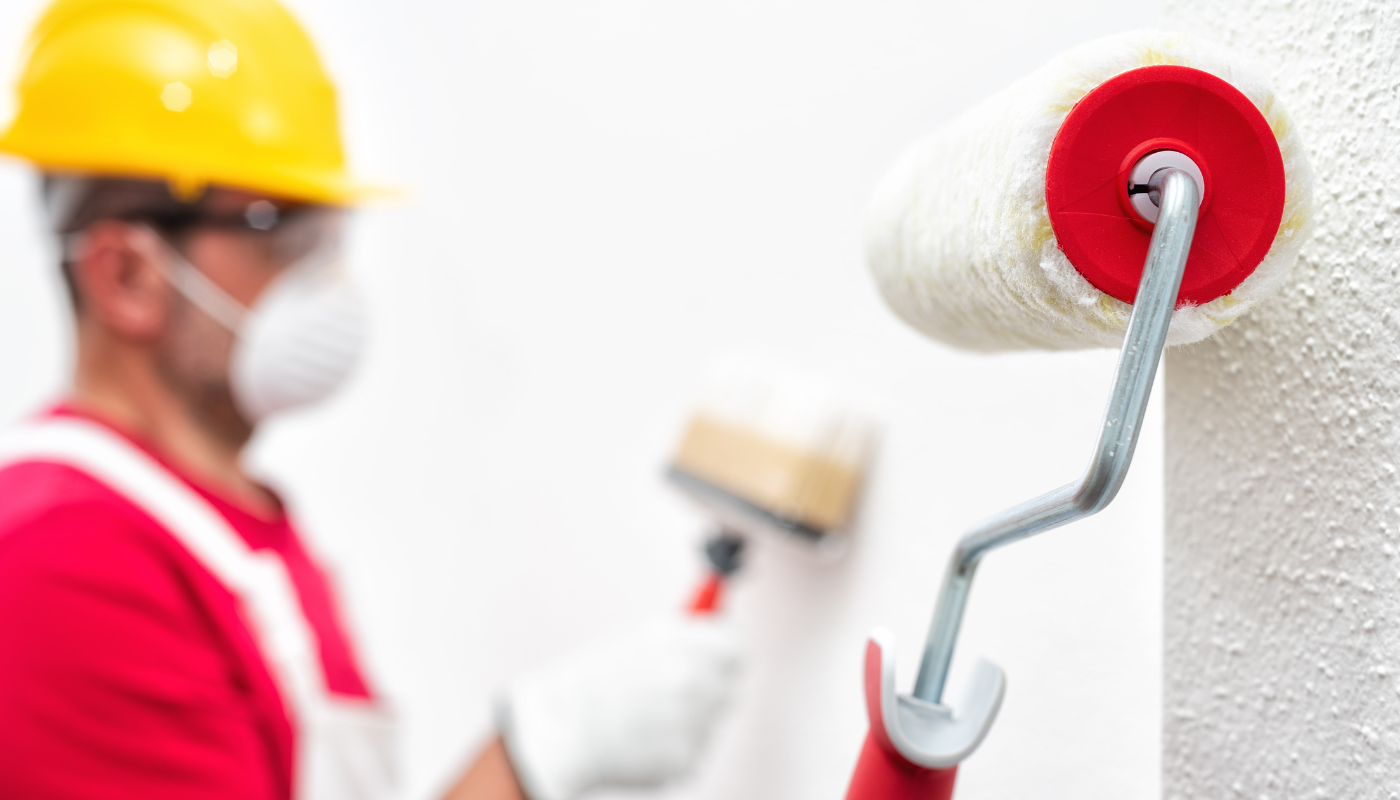
3. Wear Protective Gear
To reduce skin and respiratory exposure, wear:
- A respirator mask designed for chemical vapors
- Safety goggles to protect your eyes
- Gloves to prevent skin contact
- Long-sleeved clothing to minimize exposure
4. Take Breaks and Avoid Prolonged Exposure
If you're working on a large painting project, take frequent breaks to step outside for fresh air. Avoid spending extended periods in freshly painted rooms until the fumes have dissipated.
5. Follow Manufacturer Instructions
Always read and follow the safety guidelines provided on the paint can. Different paints have different drying times and ventilation requirements.
6. Store Paint Properly
When you're done painting, make sure to close paint cans tightly to prevent ongoing off-gassing. Store them in a cool, dry place away from living areas to reduce exposure to residual fumes.
7. Dispose of Paint Safely
Never pour leftover paint down the drain or throw it in the trash. Follow local disposal regulations, as many communities have designated hazardous waste drop-off locations.
When Should You Consider Hiring a Professional Painter?
If you are pregnant, have existing health conditions, or are particularly sensitive to paint fumes, it may be best to hire a professional painter.
Experienced painters are familiar with safety procedures and have access to specialized equipment to minimize exposure to harmful chemicals.
Conclusion: Is House Paint Dangerous?
House paint can pose health risks if proper precautions aren’t taken, but the good news is that modern formulations and safe painting practices can significantly reduce these risks.
By choosing low-VOC paints, ensuring proper ventilation, and using protective gear, you can safely enjoy the benefits of a beautifully painted home without compromising your health.
If you ever experience severe symptoms after exposure to paint fumes, seek medical attention immediately. Safety should always come first when tackling any home improvement project!
With these precautions in mind, you can confidently refresh your space while protecting your health and well-being.